

Hear from Our Customers
You can’t fix a mold problem you can’t see. And you shouldn’t pay to fix one that doesn’t exist.
That’s where professional mold testing comes in. We use air sampling, surface testing, and thermal imaging to find mold growing in places you’d never think to check—inside walls, under flooring, in HVAC ducts. Then we send samples to an independent lab for analysis so you know exactly what species you’re dealing with and how much of it is in your air.
This isn’t about scaring you into a bigger job. It’s about giving you real data so you can make an informed decision. Maybe it’s nothing. Maybe it’s something that needs attention now. Either way, you’ll know.
In Glen Ashton Farms, where most homes were built in the 1970s and Pennsylvania’s humidity creates ideal conditions for mold growth, testing isn’t paranoia. It’s due diligence. Especially if you’re buying, selling, or just noticing symptoms you can’t explain.
We serve Glen Ashton Farms and the surrounding Bucks County area with certified mold inspections that meet Pennsylvania Department of Health standards. We’re not a national franchise reading from a script. We’re local, licensed, and we actually know what grows in homes around here.
Our team includes certified mold inspectors, an HVAC technician, a master plumber, and building-level expertise. That means when we test your home, we’re not just looking for mold—we’re identifying why it’s there in the first place. Condensation from ductwork. A slow leak behind the shower. Poor ventilation in the crawlspace.
We’ve been doing this long enough to know that most homeowners in Glen Ashton Farms don’t want a sales pitch. You want straight answers, fast turnaround, and documentation you can actually use—whether that’s for your own peace of mind, an insurance claim, or a real estate transaction.
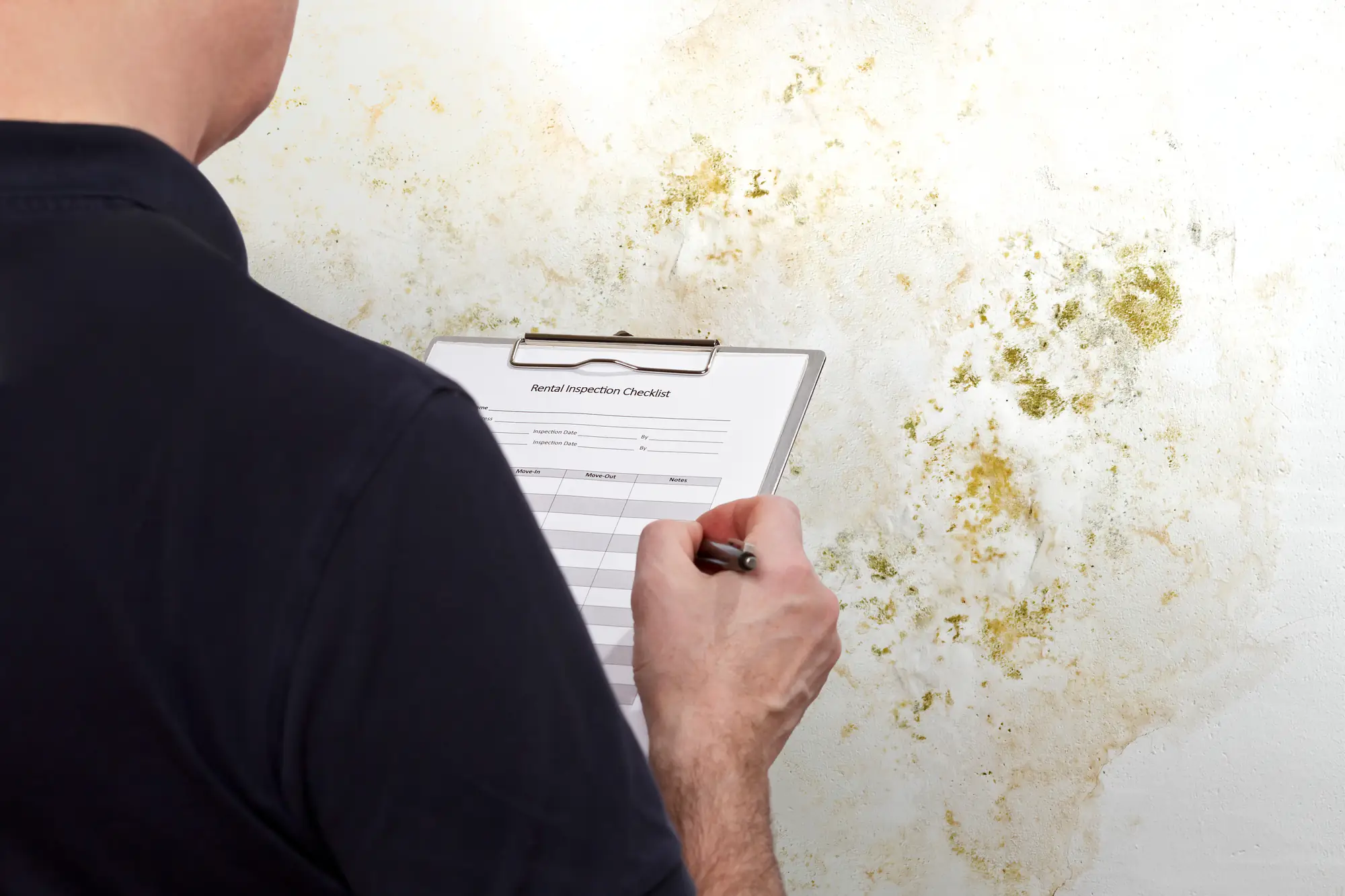
First, we walk through your home and talk. You tell us what you’ve noticed—musty smells, water damage, health symptoms, whatever brought you here. We listen, because context matters.
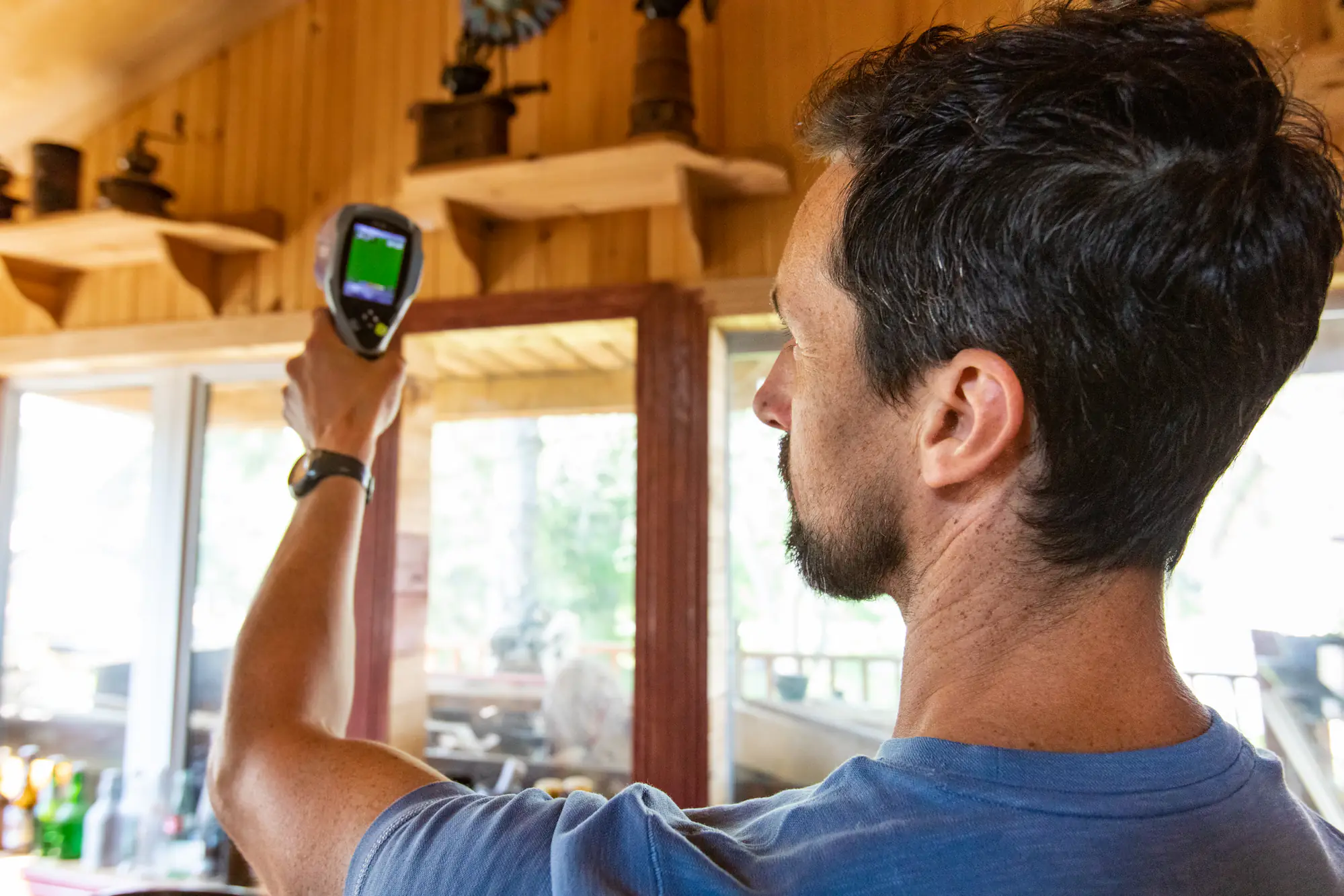
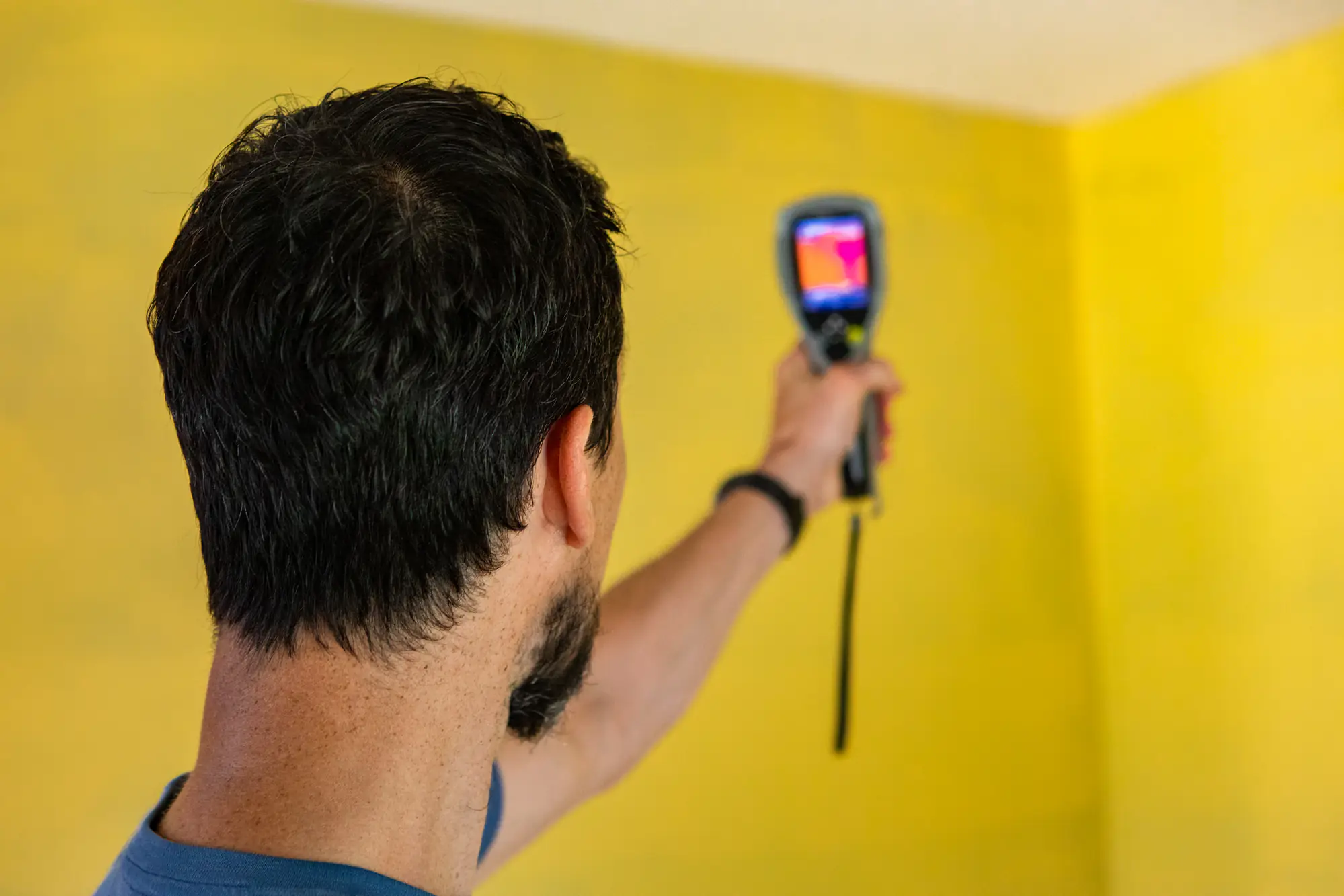
Then we start the inspection. We use moisture meters to find hidden water. Thermal imaging to spot temperature differences that suggest leaks or condensation. We take air samples from multiple rooms to measure spore concentrations. If we see visible growth or suspect contamination on a surface, we swab it.
All samples go to an EPA-certified lab for analysis. You’re not getting results from us—you’re getting them from scientists who identify mold species and spore counts. That takes 24 to 48 hours in most cases.
Once the lab report comes back, we walk you through it in plain language. What was found. What it means for your health and your home. What your options are. If remediation is needed, we’ll explain the scope and cost. If it’s not, we’ll tell you that too.
You’ll get a full written report with lab results, photos, moisture readings, and our recommendations. It’s yours to keep, share with your insurance company, or hand to a buyer’s agent.
Ready to get started?
Every mold testing appointment includes a visual inspection of your entire home, moisture mapping with professional-grade meters, thermal imaging to detect hidden water intrusion, and air quality sampling from multiple zones. We also perform surface sampling when visible growth or staining is present.
All samples are analyzed by an independent, accredited laboratory. You’ll receive species identification, spore concentration levels, and a comparison to outdoor baseline readings. The report also includes photos, moisture data, and our written assessment of conditions that are supporting mold growth.
In Glen Ashton Farms, where 47% of homes show some form of mold and the local climate creates high-risk conditions for growth, this level of detail matters. Pennsylvania’s humidity, temperature swings, and frequent precipitation mean mold can establish itself in 24 to 48 hours after water exposure. Older homes—like many built here in the ’70s—are especially vulnerable due to outdated ventilation and aging building materials.
We’re not here to sell you a remedy you don’t need. We’re here to give you accurate information so you can protect your home, your health, and your investment.
Most residential mold inspections in Glen Ashton Farms range between $300 and $600, depending on the size of your home and how many samples are needed. That includes the on-site inspection, lab analysis, and a full written report.
If you’re comparing prices, make sure you’re comparing the same service. Some companies charge extra for lab fees, thermal imaging, or additional air samples. We include everything up front so there’s no surprise billing.
Also worth noting: if you skip testing and go straight to remediation based on a guess, you could spend thousands fixing the wrong problem. Or worse, not fixing the actual problem at all. Testing first saves money in the long run because it tells you exactly what needs to be done—and what doesn’t.
The on-site inspection usually takes one to two hours, depending on the size of your home and what we find. We’re thorough, but we’re not slow.
After we collect samples, they go to the lab for analysis. That takes 24 to 48 hours in most cases. Once we get the results back, we’ll call you to review the findings and schedule a follow-up if needed.
If you’re in a time crunch—maybe you’re closing on a house or dealing with a tenant issue—let us know. We’ll do everything we can to expedite the process without cutting corners.
You can, but it won’t tell you much. Most DIY kits only confirm that mold is present—which isn’t useful, because mold is present in almost every home. What matters is the type of mold, the concentration, and whether it’s at levels that pose a health risk.
DIY kits also can’t find hidden mold. They can’t measure moisture levels. They can’t tell you if the mold in your bathroom is the same mold making you sick, or if it’s something growing inside your walls that you’ll never see without the right equipment.
If you’re trying to save money, we get it. But if you’re trying to protect your family or make a smart decision about your home, a professional inspection gives you the data you actually need. DIY kits give you a yes-or-no answer to a question that requires a lot more context.
A mold inspection is the visual walkthrough—looking for water damage, checking moisture levels, identifying conditions that support mold growth. Testing is when we actually collect air or surface samples and send them to a lab for analysis.
Most of the time, you want both. The inspection tells us where to look and what’s causing the problem. The testing tells us what’s growing and how much of it is in your air.
Some situations don’t require testing. If there’s visible mold and the source is obvious—like a leaking pipe—you can often skip the lab work and go straight to remediation. But if you’re dealing with mystery symptoms, buying a home, or trying to document a problem for insurance, testing gives you the proof and detail you need.
Yes, but not in a simple yes-or-no way. The lab report will show what types of mold are present and at what concentration. We’ll compare those numbers to outdoor levels and EPA guidelines to determine if remediation is recommended.
Some mold is normal. If your indoor spore counts are similar to outdoor levels and there’s no toxic species present, you might not need any work done. If counts are elevated or we find species like Stachybotrys (black mold), that’s a different conversation.
We’ll walk you through the results and explain your options. If remediation is needed, we’ll tell you what’s involved and what it’ll cost. If it’s not, we’ll tell you that too—and explain what you can do to prevent problems down the road. The goal is to give you enough information to make the right call for your situation, not to push you into a service you don’t need.
It’s not legally required in Pennsylvania, but it’s becoming more common—especially in areas like Glen Ashton Farms where homes are older and moisture issues are prevalent. Buyers often request it as part of their due diligence, and sellers sometimes order it proactively to avoid surprises during negotiations.
If you’re buying, mold testing protects you from inheriting a costly problem. If you’re selling, it gives you documentation to show the home is clean—or it gives you a chance to address issues before they tank your deal.
Lenders and insurance companies may also require testing if there’s visible damage, a history of water intrusion, or claims on file. Even if no one’s asking for it, testing before you buy or sell can save you from disputes, delays, or worse—finding out six months later that you’ve got a problem no one wanted to talk about.
Other Services we provide in Glen Ashton Farms